 Asclepio
Stem cells, cancer and bioethics in 3D
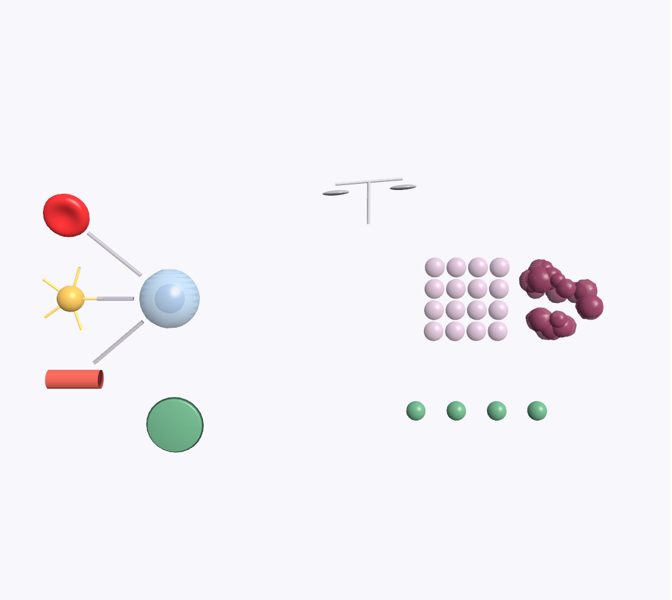
This zone brings together three topics. Stem cells can renew themselves and turn into specialized cells, like blood, muscle or brain cells. Cancer is a…
Explained for every age
For kids (7–11)
Your body is made of trillions of cells, and almost all of them have a special job. Some, the stem cells, are like wild cards: they can turn into other cells to repair and renew the body. Sometimes a cell breaks down and starts dividing nonstop; that's called cancer. Doctors know many treatments, and lots and lots of boys and girls who had cancer are healthy today and keep on growing.
For teens (12–16)
This zone brings together three topics. Stem cells can renew themselves and turn into specialized cells, like blood, muscle or brain cells. Cancer is a group of diseases in which some cells grow out of control and can invade other tissues, because changes in their genes break the normal brakes on cell division. Today there are many treatments and ways to prevent it: in the United States, between 2013 and 2019, more than 8 out of 10 children and teenagers with cancer were still alive five years after diagnosis, compared with 6 or 7 out of 10 in the mid-1970s. Bioethics helps decide how to use these technologies safely and fairly.
Pre-Med (17+)
Stem cells are defined by self-renewal and potency (the ability to differentiate); differentiation depends on regulated changes in gene expression, not on changes in the DNA sequence. Carcinogenesis is the accumulation of alterations in proto-oncogenes, tumor suppressor genes and DNA repair genes, which gives cells autonomous proliferation, evasion of apoptosis and of the immune system, angiogenesis, invasion and metastasis. Treatment combines surgery, chemotherapy, radiotherapy, immunotherapy, targeted and hormonal therapies, and hematopoietic progenitor cell transplantation. Stem cell and gene editing applications raise ethical questions about consent, safety and equity of access.
What you can explore
Stem cellsCell differentiationCancer cellsCancer treatmentsCancer preventionBioethics
Missions
- Wild-card cells and cells you can care for Explorer
- When division gets out of control Discoverer
- Potency, oncogenesis and bioethics Pre-Med