 Asclepio
Vaccines in 3D
A vaccine teaches the immune system to recognize and fight a harmful germ without you having to get sick. It can be a shot, a liquid you swallow, a pill…
Explained for every age
For kids (7–11)
A vaccine is like training for your body's defenders: it shows them a germ, or a tiny piece of one, that can no longer make you sick, so they learn to recognize it. That way, if the real germ ever shows up, your body already knows how to stop it. The shot might sting a little, and it's okay to feel nervous; it's over very quickly and protects you for a long time.
For teens (12–16)
A vaccine teaches the immune system to recognize and fight a harmful germ without you having to get sick. It can be a shot, a liquid you swallow, a pill or a nasal spray. It contains the germ weakened or inactivated, just one part of it, or instructions for your cells to make a protein from the germ. The body responds as if it were an infection, but without the disease, and keeps a "memory" that protects it afterwards. Vaccines also look after the people around you, because they slow down the spread of germs.
Pre-Med (17+)
Vaccination induces active adaptive immunity against antigens of a pathogen (or a toxin) without the natural disease. Types: live attenuated, inactivated, subunit/recombinant/polysaccharide/conjugate, toxoid, mRNA and viral vector. The primary response generates specific B and T lymphocytes; after the effector phase, antibodies, long-lived plasma cells and memory cells persist, sustaining a faster and stronger secondary response. At the population level, sufficient coverage reduces transmission (herd immunity). Vaccination largely explains the global eradication of smallpox and the control of diseases such as polio, measles and tetanus.
What you can explore
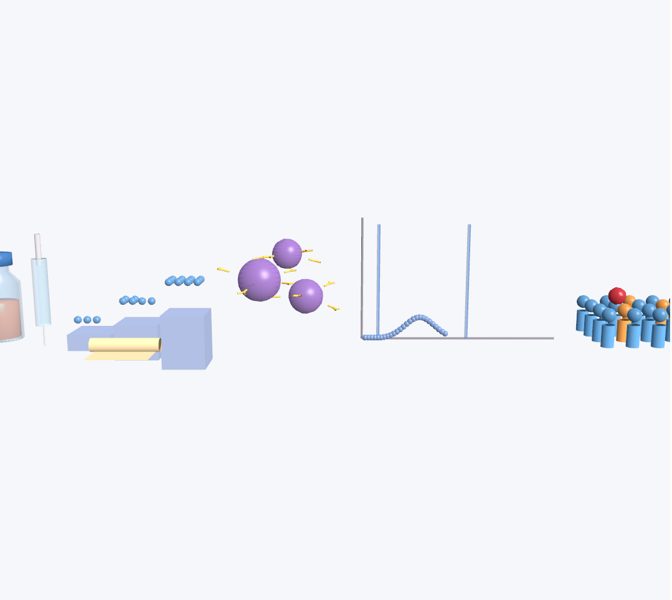
Vaccine vialMemory cellsAntibody response curveHerd immunityVaccine testing and safetyHistory of vaccination
Missions
- Train your defenders Explorer
- Memory, testing and history Discoverer
- Immunology of vaccination Pre-Med